


 购物车
购物车 个人中心
个人中心

Dealers of Lightning
¥101.00
In the bestselling tradition of The Soul of a New Machine, Dealers of Lightning is a fascinating journey of intellectual creation. In the 1970s and '80s, Xerox Corporation brought together a brain-trust of engineering geniuses, a group of computer eccentrics dubbed PARC. This brilliant group created several monumental innovations that triggered a technological revolution, including the first personal computer, the laser printer, and the graphical interface (one of the main precursors of the Internet), only to see these breakthroughs rejected by the corporation. Yet, instead of giving up, these determined inventors turned their ideas into empires that radically altered contemporary life and changed the world.Based on extensive interviews with the scientists, engineers, administrators, and executives who lived the story, this riveting chronicle details PARC's humble beginnings through its triumph as a hothouse for ideas, and shows why Xerox was never able to grasp, and ultimately exploit, the cutting-edge innovations PARC delivered. Dealers of Lightning offers an unprecedented look at the ideas, the inventions, and the individuals that propelled Xerox PARC to the frontier of technohistoiy--and the corporate machinations that almost prevented it from achieving greatness.
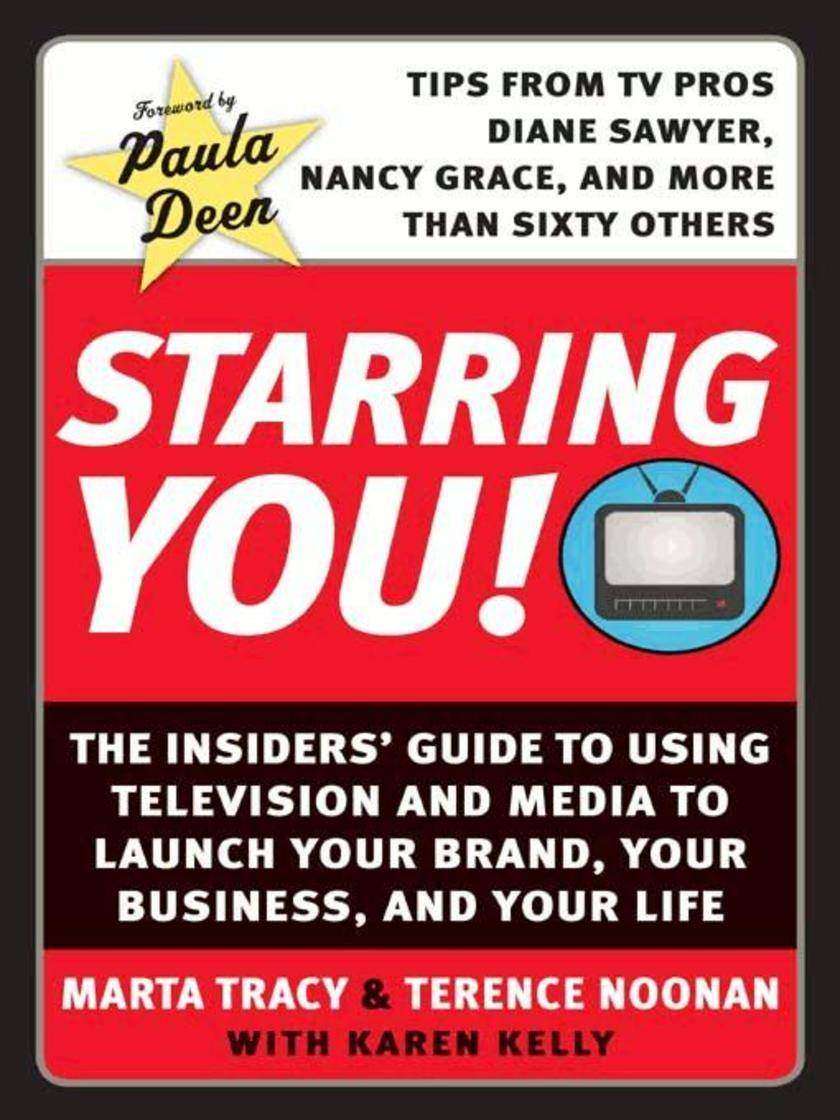
Starring You!
¥84.82
Today, with thousands of TV hours to fill, there's room on television for virtually every product, service, and personality and no one understands that better than producers Marta Tracy and Terence Noonan. Their one-of-a-kind handbook shows you how to make your dreams of on-screen success come true whether that dream is to appear on reality television, to showcase your catering skills on The Martha Stewart Show, to promote your flower shop on a local morning show, or to launch a thousand different TV-centered personal or professional goals. Starring You! outlines everything you need to market your business, product, point of view, or yourself, including: How to write the perfect pitch How to build and maintain relationships with producers How to become a regular guest . . . or even the host of your own show

The Simplicity Cycle
¥127.33
The Simplicity Cycle is an engaging and accessible field guide that equips readers with practical tools to produce elegant, effective designs. It takes a deep but lighthearted look at the way complexity enhances or diminishes the things we make and use, from PowerPoint presentations and pizzas to spacecraft and software, and shows readers why simplicity is the key to innovation and good design whether you're creating new products, services, or consumer experiences.

The New Rules of Money
¥88.56
Are You Playing By the New Rules?Forget what you know about personal finance. The old rules no longer apply. Ric Edelman's 88 strategies, tailor-made for today's economy, will show you how to achieve financial success. Ric is famous for making personal finance fun, and you'll discover how easy it is to put his advice into action!Is it smart to buy company stock with your 402 (k) planDiscover the right way to handle your company retirement plan. See Rule #85 Learn why you must carry a big, long mortgage -- and never pay it off! See Rule #21Learn why not to invest in the new Roth IRA-and discover the most powerful anti-tax investment available today. See Rules #69 and #76Planning to retireLearn why you won't -- and what you must do instead. See Rule #88Find out why those who invest in S&P 500 Index Funds will wish they hadn't. See Rule #36Learn why that higher - paying job could actually cost you money. See Rule #32

The Digital Mom Handbook
¥90.77
From the founders of ClassyMommy.com and MomGenerations.com comes the ultimate guide to helping moms build successful careers at home by doing what they already do online just better.To work or not to work it's the toughest question for most mothers today. But Audrey McClelland and Colleen Padilla have found the coveted middle ground, creating successful careers from home via the Internet. They've literally Skyped, blogged, vlogged, tweeted, and Facebooked their way to the top and in this eye-opening book they show other moms how to find success through these seven basic steps: 1. Find your passion. 2. Hang a digital shingle and start typing. 3. Find your tribe. 4. Make opportunity knock and learn how to answer that door. 5. Manage the Benjamins. 6. Don't forget the children! 7. Live happily ever after by living your values.

Wall Street Meat
¥77.49
Wall Street is a funny business. All you have is your reputation. Taint it and someone else will fill your shoes. Longevity comes from maintaining that reputation. Ask Jack Grubman, the All-Star telecom analyst from Salomon Smith Barney; uber-banker Frank Quattrone at CS First Boston; Morgan Stanley's Mary "Queen of the Net" Meeker; or Merrill Lynch's Henry Blodget.Well, they probably won't tell you anything. But have I got some great stories for you. Successful hedge fund manager Andy Kessler looks back on his years as an analyst on Wall Street and offers this cautionary tale of the intoxicating forces loose in the world of finance that overwhelmed sober analysis.

Who Killed Change?
¥123.10
Who Killed ChangeSolving the Mystery of Leading People Through Change Every day organizations around the world launch change initiatives often big, expensive ones designed to improve the status quo. Yet 50 to 70 percent of these change efforts fail. A few perish suddenly, but many die painful, protracted deaths that drain the organization's resources, energy and morale.Who or What Is Killing Change?That's what you'll find out in this witty whodunit. The story features a Columbo-style detective, Agent Mike McNally, who's investigating the murder of yet another change. One by one, Agent McNally interviews thirteen prime suspects, including a myopic leader named Victoria Vision; a chronically tardy manager named Ernest Urgency; an executive named Clair Communication, whose laryngitis makes communication all but impossible; and several other dubious characters.The suspects are sure to sound familiar and you're bound to relate them to your own workplace. In the end, Agent McNally solves the case in a way that will inspire you to become an effective Change Agent in your own organization.A step-by-step guide at the back of the book shows you how to apply the story's lessons to the real world. Key questions help you evaluate the health of your organization's change initiatives, and you'll learn best practices for enabling and sustaining the desired change.

Getting from College to Career
¥78.55
How do you get a job without experience and get experience without a jobIt's the question virtually every college student or recent graduate faces. In Getting from College to Career, Lindsey Pollak offers the first definitive guide to building the experience, skills, and confidence you need before starting your first major job search. Her 90 action-oriented tips include strategies ranging from the simple to the expert, including: Avoid the biggest mistake in career prep and job hunting Subscribe to a daily newspaper E-mail like a professional Make every event a networking success Practice the eight essentials of internship achievement Perform five minutes of stand-up Overprepare for interviews Persist Getting from College to Career gives you the essential information and guidance you need to get your foot in the door of the real world. Don't start your first job search without it!

Taken for a Ride
¥94.10
Here is the book that exposed the Daimler-Chrysler "merger of equals" as a bold German takeover of an industrial icon. Taken for a Ride reveals the shock waves felt around the world when Daimler-Benz bought Chrysler for $36 billion in 1998. In a gripping narrative, Bill Vlasic and Bradley A. Stertz go behind the scenes of the defining corporate drama of the decade -- and in a new epilogue chart its chaotic aftermath.

Simple Sabotage
¥132.87
Inspired by the Simple Sabotage Field Manual released by the Office of Strategic Services in 1944 to train European resistors, this is the essential handbook to help stamp out unintentional sabotage in any working group, from major corporations to volunteer PTA committees. In 1944, the Office of Strategic Services (OSS)—the predecessor of today’s CIA—issued the Simple Sabotage Field Manual that detailed sabotage techniques designed to demoralize the enemy. One section focused on eight incredibly subtle—and devastatingly destructive—tactics for sabotaging the decision-making processes of organizations. While the manual was written decades ago, these sabotage tactics thrive undetected in organizations today: Insist on doing everything through channels. Make speeches. Talk as frequently as possible and at great length. Refer all matters to committees. Bring up irrelevant issues as frequently as possible. Haggle over precise wordings of communications. Refer back to matters already decided upon and attempt to question the advisability of that decision. Advocate caution and urge fellow-conferees to avoid haste that might result in embarrassments or difficulties later on. Be worried about the propriety of any decision. Everyone has been faced with someone who has used these tactics, even when they have meant well. Filled with proven strategies and techniques, this brief, clever book outlines the counter-sabotage measures to detect and reduce the impact of these eight classic sabotage tactics to improve productivity, spur creativity, and engender better collegial relationships.
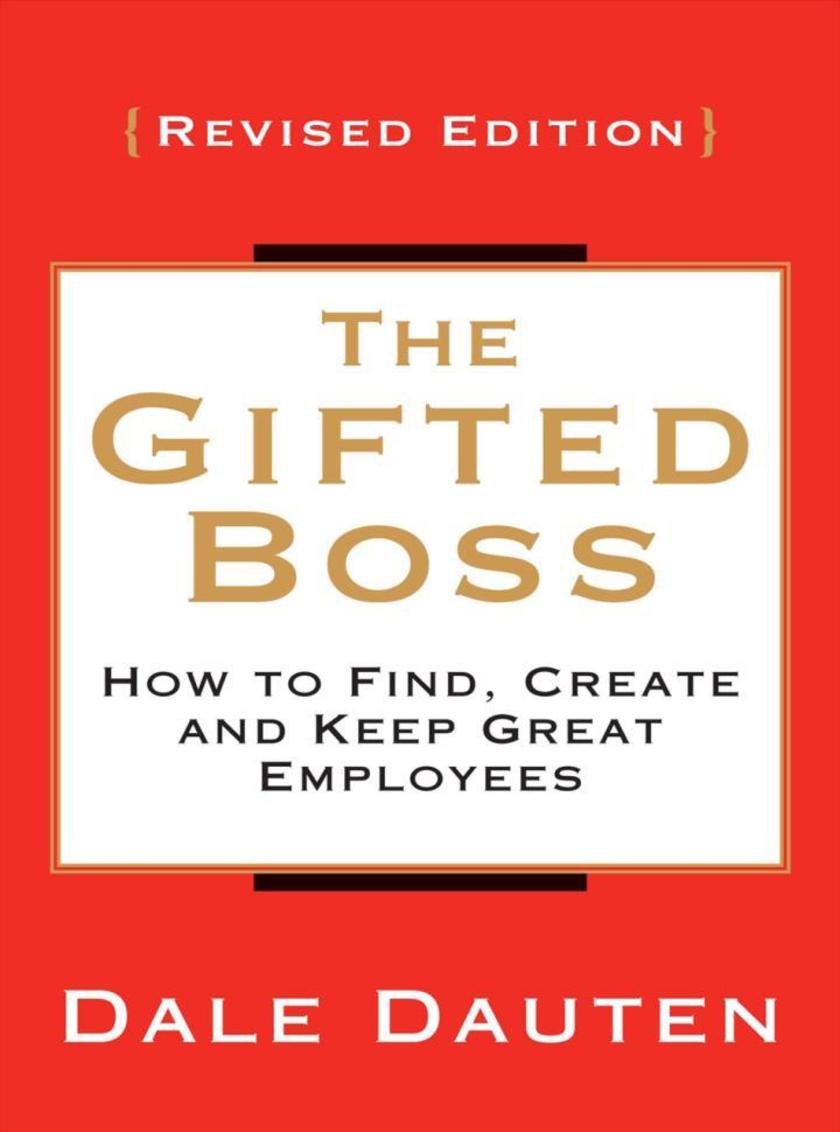
The Gifted Boss
¥112.44
Want freedom from management, mediocrity and moronsEver wonder what the best bosses know that you don'tDo you want to have great employees, people who don't need to be managed and who make everyone around them work harder and raise the department to a higher standardThe Gifted Boss is management guru Dale Dauten's classic yet revolutionary guidebook on teaching managers how to spot and court talent and how to give great employees what they want and need. This is a comprehensive system full of valuable insight and lessons aimed at creating the best work environment for the best people. Throughout The Gifted Boss, Dale Dauten defines his different breed of leader as one who is able to shape a business environment and culture that is a magnet for self-motivated employees. Dauten's starting point is a powerful fact about hiring great employees: the best ones are almost never in the job market. His system also includes a discussion of "ideal turnover" and how the great managers employ "the secret skill" of "de-hiring" to gracefully move mediocre employees up or out. Throughout his discussions, Dauten incorporates priceless knowledge gained from an exhaustive search for America's best bosses. The wisdom he acquired was startling, and it pertained to every type of organization: "Different isn't always better, but better is always different." The Gifted Boss has already earned itself a cult following. Now, based on conversations with hundreds of readers, Dauten has revised his work by adding a quick-start guide to help his audience get fast results and a discussion guide to help executives share the book with their teams. Though new technology continues to bring new changes to communication in the workplace, The Gifted Boss still remains the essential guide to maneuvering the tricky world of managing the modern employee. It belongs on every businessperson's desk.

Beyond the Grave, Revised and Updated Edition
¥110.71
This expert, one-of-a-kind handbook shows you how to ensure that your inheritance instructions will be carried out the way you want them to be; protect your children's inheritance from creditors, ex-spouses, addictions, tax troubles, mismanagement, squandering, and other risks of loss; prevent family conflict that can arise when parents die and children divide the family money leave more money to your children and grandchildren, and less to the IRS; avoid creating inheritance problems in your family with cautionary tales of inheritance planning gone bad; understand why you still have to deal with estate tax issues even if your net worth falls below the new death-tax-exemption.
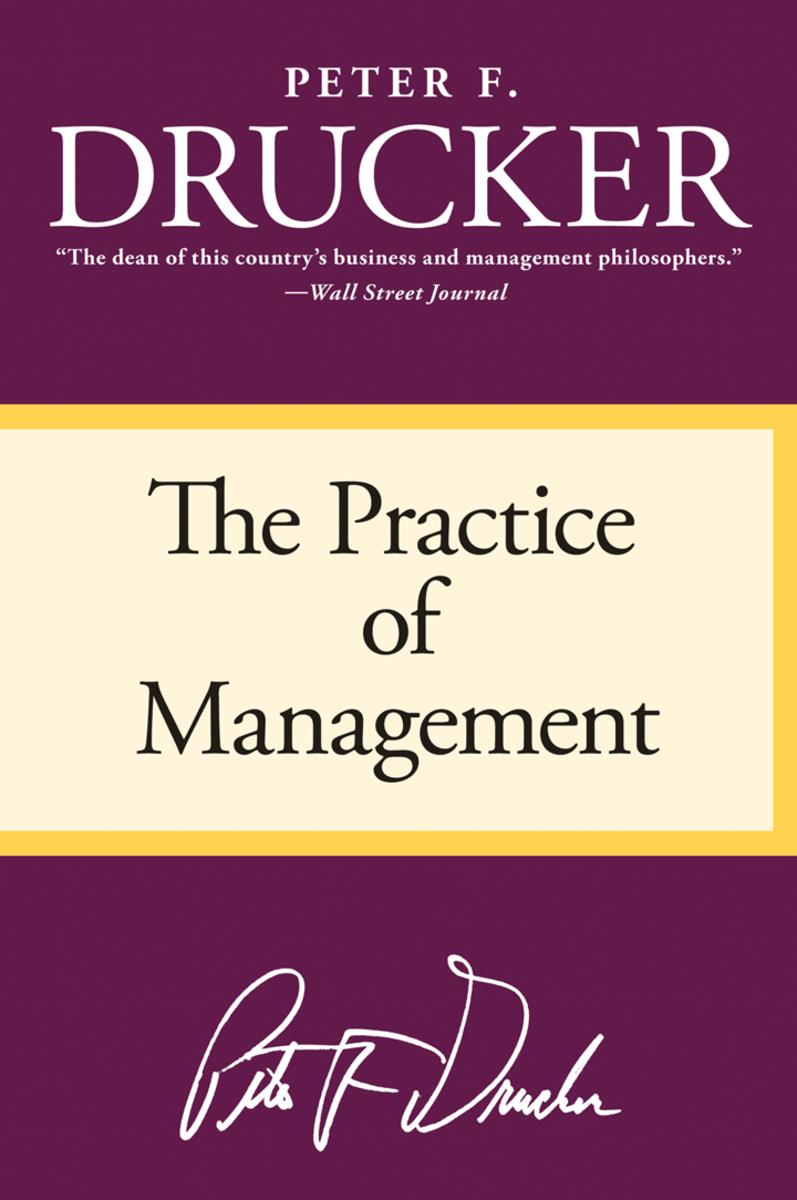
The Practice of Management
¥94.10
A classic since its publication in 1954, The Practice of Management was the first book to look at management as a whole and being a manager as a separate responsibility. The Practice of Management created the discipline of modern management practices. Readable, fundamental, and basic, it remains an essential book for students, aspiring managers, and seasoned professionals.

The Upside of Irrationality
¥94.10
The provocative follow-up to the New York Times bestseller Predictably Irrational Why can large bonuses make CEOs less productiveHow can confusing directions actually help usWhy is revenge so important to usWhy is there such a big difference between what we think will make us happy and what really makes us happyIn his groundbreaking book Predictably Irrational , social scientist Dan Ariely revealed the multiple biases that lead us into making unwise decisions. Now, in The Upside of Irrationality , he exposes the surprising negative and positive effects irrationality can have on our lives. Focusing on our behaviors at work and in relationships, he offers new insights and eye-opening truths about what really motivates us on the job, how one unwise action can become a long-term habit, how we learn to love the ones we're with, and more. Drawing on the same experimental methods that made Predictably Irrational one of the most talked-about bestsellers of the past few years, Ariely uses data from his own original and entertaining experiments to draw arresting conclusions about how and why we behave the way we do. From our office attitudes, to our romantic relationships, to our search for purpose in life, Ariely explains how to break through our negative patterns of thought and behavior to make better decisions. The Upside of Irrationality will change the way we see ourselves at work and at home and cast our irrational behaviors in a more nuanced light.

How to Buy, Sell, and Profit on eBay
¥83.03
A lively insider's guide to starting a successful small business selling items old and new on eBay, written with personal anecdotes, well kept secrets, and insider tips by Adam Ginsberg, eBay's most successful private salesperson. This is the insider's guide to making money on eBay. Adam Ginsberg is the most successful seller on eBay, moving around a million dollars' worth of merchandise every month. Not only will he impart his personal secrets on how to sell on eBay learned through years of experience and his tips on expanding your small business using eBay as a global market, but he'll also give fun side notes and anecdotes, keeping the book lively and making it a fun and interesting read. This book will be a must have for all current and aspiring eBay sellers, all small business owners, and anyone who wants to learn how to start a million dollar company.

Brand Strategy and Management for Law Firms
¥2452.50
An effective brand strategy that is clearly understood and supported throughout your firm is crucial if you want to attract and retain profitable clients and sustain a talented workforce. Managing Partner’s Brand Strategy and Management for Law Firms report provides a comprehensive framework and guidelines for developing a brand strategy tailored to your firm. Packed with key concepts, practical tools, tips and advice this report will give you an understanding of brand and how it can be developed and strengthened as your firm’s most invaluable asset. Specifically, this report will help you to: Understand the key elements of personal brands, firm brand, and the employment brand – and how they relate to each other; Align your brand strategy with your overall firm strategy, vision and values; Realise the importance of brand names, icons or logos, design and aesthetics; · Understand the key brand considerations when using online channels – websites, blogs, LinkedIn, Twitter and Facebook; · Create a customised brand stress-test and make improvements to strengthen your firm’s brand accordingly and ensure its success; · Get partners and staff on board to support and grow your brand; and · Avoid brand mistakes and overcome the common challenges – including recommended steps for managing your brand before, during and following a merger. · Brand Strategy and Management for Law Firms features insightful case studies, examples and expert contributions from the likes of Norton Rose South Africa, DLA Phillips Fox, Lex Mundi, Lex Africa and more… They reveal practical tips, lessons learned and mistakes made that will prove invaluable in the development and management of your own brand strategy.

When Genius Failed: The Rise and Fall of Long Term Capital Management
¥66.22
Picking up where Liar’s Poker left off (literally, in the bond dealer’s desks of Salomon Brothers) the story of Long-Term Capital Management is of a group of elite investors who believed they could beat the market and, like alchemists, create limitless wealth for themselves and their partners. Founded by John Meriweather, a notoriously confident bond dealer, along with two Nobel prize winners and a floor of Wall Street’s brightest and best, Long-Term Captial Management was from the beginning hailed as a new gold standard in investing. It was to be the hedge fund to end all other hedge funds: a discreet private investment club limited to those rich enough to pony up millions. It became the banks’ own favourite fund and from its inception achieved a run of dizzyingly spectacular returns. New investors barged each other aside to get their investment money into LTCM’s hands. But as competitors began to mimic Meriweather’s fund, he altered strategy to maintain the fund’s performance, leveraging capital with credit on a scale not fully understood and never seen before. When the markets in Indonesia, South America and Russia crashed in 1998 LCTM’s investments crashed with them and mountainous debts accumulated. The fund was in melt-down, and threatening to bring down into its trillion-dollar black hole a host of financial instiutions from New York to Switzerland. It’s a tale of vivid characters, overwheening ambition, and perilous drama told, in Roger Lowenstein’s hands, with brilliant style and panache.

Successful Networking in 7 simple steps
¥61.51
7 simple steps to help you get what you want from networking Networking: get it right, and it provides an opportunity for learning and expanding your business contacts. But there are so many ways to get it wrong. Maybe you’ve learnt this the hard way, or maybe you don’t know where to start. Whether you’re setting out into the world of business for the first time, planning a return visit or want to be the best in the job you’re in, this is the book for you. Follow these 7 simple steps to pick your way through the minefield that is networking. We’ll take you from creating new opportunities to maintaining valuable relationships, and show you how to survive any difficult moments along the way.

Mavericks at Work: Why the most original minds in business win
¥91.23
An engaging and incisive look at today's top business leaders – visionary and creative mavericks who are changing the way we do business. Inspiring and accessible, ‘Mavericks at Work’ is for anyone who wants to succeed in business – from the entry-level employee to the CEO. In ‘Mavericks at Work’, two high-profile journalists introduce an inspiring group of entrepreneurs and executives who are building great businesses by challenging business as usual. From break-the-mould innovators such as HBO, Pixar, and Netflix to global giants such as IBM and Procter & Gamble, these mavericks are winning big by devising new answers to the oldest (and toughest) challenges of competition and leadership. Their stories are exciting – and their ideas are truly powerful. Real mavericks know that: ? Big, original ideas pay big dividends ? Being different makes all the difference ? Nobody is as smart as everybody ? Cheaper is better, but value is priceless ? Great leaders are insatiable learners ‘Mavericks at Work’ is a relentlessly useful how-to book. But it is also an eye-opening what-if book – with insights that showcase the power of business at its best and set a positive agenda for the future.

The Way of Nowhere: Eight Questions to Release Our Creative Potential
¥117.82
The Way of Nowhere is a business book by the UK’s hottest change management consultancy who have led transformations in some of Britain’s biggest and best known organisations. An invaluable resource for anyone who wants to make a creative difference in their lives and the lives of people around them. Inspired by the unique practice of 'nowhere', a community of companies that specialise in co-creation, this is an inspirational book that will help you break through to a more creative and strategic future Renowned for their world-class approach to innovation, the nowhere group works with a wide range of businesses, government agencies and individuals to develop their creativity to its full potential. Now, their book maps out the groundbreaking ways that anyone can become more productive, playing a more creative role in your organisation while simultaneously nurturing your own growth along the way. It contains eight breakthrough questions designed to stimulate and enrich our creative capacity, both as an individual and as part of a team. Using examples and tools from their work with some of the UK’s largest and best known businesses, The Way of Nowhere shows us how to unlock the underlying and invisible forces at play within organisations, communities and cultures. With practice, you will discover how these questions and insights can release the latent creativity that exists within - a place where magic can happen - out of nowhere!

Women Managing for the Millennium
¥61.51
Sally Garratt has been an independent consultant since 1978 and is a prominent member of the Institute of Personnel Management. She has worked on numerous development programmes for senior professional and executive women. She is the author of Manage Your Time, which has sold over 32,000 copies in paperback.


