


 购物车
购物车 个人中心
个人中心
A Dialogue in Hades: "Illustrated"
¥8.09
t lány, t nézpont, t knyv. Cherry trténete, a Cseresznyés ábránd az els. Cherry Costello élete hamarosan rkre megváltozik. Somersetbe kltzik az apukájával, ahol egy új anyuka és egy csomó vadiúj testvér vár rá. Rgtn az els napon megismeri Shay Fletchert, aki annyira szívdgleszt, hogy az már kzveszélyes. Csakhogy Shay foglalt: Cherry új mostohatestvérével, Honey-val jár. Cherry pontosan tudja, milyen kockázatos Shayjel barátkoznia – hiszen ezzel mindent tnkretehet. Csakhogy ez még nem jelenti azt, hogy távol is tudja tartani magát tle… Csajok és csokik. Egy knyvsorozat, melyben minden testvérnek megvan a maga trténete… Neked melyik lány lesz a kedvenced Talán a Cseresznyés ábránd fhse, Cherry Az a lány, akinek tejeskávé szín a bre, stétbarna szeme pedig mandulavágású. Akinek élénk a képzelete, szórakoztató a társaságában lenni, és aki mindig kiáll magáért. Cathy Cassidy nyolc-kilencéves korában írta meg els képesknyvét kisccsének, és azóta ontja magából a trténeteket. Magyarul elsként a Csajok és csokik-sorozata (a Cseresznyés ábránd az 1. ktet) jelenik meg, melynek a vagány Tanberry-nvérek a fhsei, de mellettük feltnik néhány szupermen srác is, valamint Cathy egyik legnagyobb szerelme, a csokoládé is fontos szerepet kap. Cathy Skóciában él a családjával. Az sszes munka kzül, amivel valaha megpróbálkozott, az írást szereti a legjobban – hiszen amikor ír, mást sem kell csinálnia, mint ébren álmodozni egész álló nap.
The Horse-Dealer's Daughter
¥7.93
Vajon a lélek tényleg láthatatlan?Az alapszabályok: a léleknek nincs alakja, nem tud beszélni.Akkor mégis ki az a lány, akinek a lelke minduntalan felbukkan Péter mellett és kapcsolatba lép vele?500 évvel ezel?tt a Brit Birodalom vezet?i úgy gondolták, nem elegend? a halálbüntetés a gyilkosoknak. Három, kül?nleges adottságú férfi képes volt a haláluk után is a f?ld?n tartani a b?n?s lelkeket. ?r?k magányra kárhoztatták ?ket, mivel sem egymással, sem az emberekkel nem tudtak kommunikálni.A 17 éves Peter kül?nleges képessége segítségével szembemegy az ítéletekkel és meg tudja szabadítani ezeket a lelkeket a béklyóiktól. Kezdetben nagyon élvezi a küldetését, de egy id? után egyre er?sebbé és félelmetesebbé válnak a b?n?s lelkek.Ki lehet az a titokzatos lány, akinek a lelke Peter mellé szeg?dik, és akivel alkut k?tnek? Vajon ki az a XIX. századi sorozatgyilkos, akinek a szellemével szembe találja magát Peter? Hogyan képesek ezek a megbéklyózott lelkek él? embereket irányítani? Ezekre a kérdésekre ad választ V.E Gabriel els? k?nyve, a Lélekbéklyó. Ha borzongató izgalomra vágysz, ebben a k?tetben nem fogsz csalódni.
Fehér Anna
¥8.67
THERE are various methods of introducing an artist to his public. One of the best is to describe how you saved his life in the Bush in ’82; or he saved yours; and then you go on: “Little did either of us anticipate in those far-off days that Fougasse was destined to become . . .” Another way is to leave Fougasse out altogether, and concentrate, how happily, on your own theories of black-and-white drawing, or politics, or the decline of the churches; after all, an introduction doesn’t last long, and he has the rest of the book to himself. Perhaps, however, it is kinder to keep the last paragraph for him: “Take these little sketches by Fougasse, for instance . . .” and the reader, if he cares to any longer, can then turn over and take them. Left to ourselves, that is the method we should adopt. But the publisher is at our elbow. “This is an introduction,” he says. “For Heaven’s sake introduce the fellow.” Let us begin, then, by explaining Fougasse’s nationality. I never discuss his drawings with another, but we tell each other how remarkable it is that a Frenchman should have such an understanding of English sport. “Of course,” we say, “in the actual drawing the nationality reveals itself; the Gallic style stands forth unmistakeably; only a Frenchman has just that line. But how amazingly British is the outlook! Was there ever a Frenchman before who understood and loved cricket as this one?” We ask ourselves how the phenomenon is to be explained. The explanation is simple. A fougasse—I quote the dictionary—is a small mine from six to twelve feet underground charged either with powder or loaded shells; and if a British sapper subaltern, severely wounded at Gallipoli, beguiles the weary years of hospital by drawing little pictures and sending them up to Punch, he may as well call himself Fougasse as anything else. Particularly if his real name is Bird, and if a Bird, whose real name is Yeats, is already drawing for Punch. Of course it would have been simpler if they had all stuck to their own names like gentlemen, but it is too late now to do anything about it, and when a genuine M. Fougasse of Paris comes along, he will have to call himself Tomkins. Once the downward path of deceit is trodden, there is seemingly no end to it. We have our artist, then, Kenneth Bird of Morar, Inverness. When I first met him at the beginning of 1919, he was just out of hospital, swinging slowly along with the aid of a pair of rocking-horse crutches. This was on his annual journey south, for they have the trains in Morar now. Once a year Fougasse makes the great expedition to London, to see what the latest fashions may be, and is often back in Morar again before they have changed to something later. I have seen him each year; in 1920 with two ordinary crutches; in 1921 with two sticks; in 1922 with one stick; perhaps by 1923 he will be playing again the games of which he makes such excellent fun. But, selfishly, we cannot regret the Turkish bullet, which turned what I suspect of being quite an ordinary engineer into such an individual black-and-white draughtsman. I am really the last person who should be writing this introduction, for all drawing is to me a mystery. When I put two dots, a horizontal line and a vertical line into a circle, the result is undoubtedly a face, but whose, or what expressing, I cannot tell you until afterwards, nor always then. But these mystery men can definitely promise you beforehand that their dot-and-line juggling will represent Contempt or Surprise or Mr. Asquith, just as you want it. It is very strange; and, sometimes I think, not quite fair. However, this is not the place wherein to dwell upon the injustice of it. What I wanted to say was that with Fougasse I feel a little more at ease than usual; we have something in common. Accepting the convention that writers write exclusively with the pen, and that black-and-white artists draw exclusively with the pencil, I should describe Fougasse as more nearly a Brother..
The Story of a Fierce Bad Rabbit
¥9.24
There is a woman in the state of Nevada to whom I once lied continuously, consistently, and shamelessly, for the matter of a couple of hours. I don't want to apologize to her. Far be it from me. But I do want to explain. Unfortunately, I do not know her name, much less her present address. If her eyes should chance upon these lines, I hope she will write to me.It was in Reno, Nevada, in the summer of 1892. Also, it was fair-time, and the town was filled with petty crooks and tin-horns, to say nothing of a vast and hungry horde of hoboes. It was the hungry hoboes that made the town a "hungry" town. They "battered" the back doors of the homes of the citizens until the back doors became unresponsive.A hard town for "scoffings," was what the hoboes called it at that time. I know that I missed many a meal, in spite of the fact that I could "throw my feet" with the next one when it came to "slamming a gate for a "poke-out" or a "set-down," "or hitting for a light piece" on the street. Why, I was so hard put in that town, one day, that I gave the porter the slip and invaded the private car of some itinerant millionnaire. The train started as I made the platform, and I headed for the aforesaid millionnaire with the porter one jump behind and reaching for me. It was a dead heat, for I reached the millionnaire at the same instant that the porter reached me. I had no time for formalities. "Gimme a quarter to eat on," I blurted out. And as I live, that millionnaire dipped into his pocket and gave me ... just ... precisely ... a quarter. It is my conviction that he was so flabbergasted that he obeyed automatically, and it has been a matter of keen regret ever since, on my part, that I didn't ask him for a dollar. I know that I'd have got it. I swung off the platform of that private car with the porter manoeuvering to kick me in the face. He missed me. One is at a terrible disadvantage when trying to swing off the lowest step of a car and not break his neck on the right of way, with, at the same time, an irate Ethiopian on the platform above trying to land him in the face with a number eleven. But I got the quarter! I got it!But to return to the woman to whom I so shamelessly lied. It was in the evening of my last day in Reno. I had been out to the race-track watching the ponies run, and had missed my dinner (i.e. the midday meal). I was hungry, and, furthermore, a committee of public safety had just been organized to rid the town of just such hungry mortals as I. Already a lot of my brother hoboes had been gathered in by John Law, and I could hear the sunny valleys of California calling to me over the cold crests of the Sierras. Two acts remained for me to perform before I shook the dust of Reno from my feet. One was to catch the blind baggage on the westbound overland that night. The other was first to get something to eat. Even youth will hesitate at an all-night ride, on an empty stomach, outside a train that is tearing the atmosphere through the snow-sheds, tunnels, and eternal snows of heaven-aspiring mountains.But that something to eat was a hard proposition. I was "turned down" at a dozen houses. Sometimes I received insulting remarks and was informed of the barred domicile that should be mine if I had my just deserts. The worst of it was that such assertions were only too true. That was why I was pulling west that night. John Law was abroad in the town, seeking eagerly for the hungry and homeless, for by such was his barred domicile tenanted.At other houses the doors were slammed in my face, cutting short my politely and humbly couched request for something to eat. At one house they did not open the door. I stood on the porch and knocked, and they looked out at me through the window. They even held one sturdy little boy aloft so that he could see over the shoulders of his elders the tramp who wasn't going to get anything to eat at their house.
The Pool of the Stone God
¥7.93
A Váltságdíj nélkül cím? k?tetb?l már jól ismert négy fiatal, Doma, Max, Zoli és Zsófi élete egy nap fenekestül felfordul. Zolit ?sszeverve találják a lakásán. A brókerbotrány károsultjaitól tíz napot kap, hogy el?teremtsen száztízmilliót. Zoli és Max elindul, hogy felkutassa Zoli apját. Zsófi nyomtalanul felszívódik, Doma a lány keresésére indul. Hová t?nt Zsófi, és hol bujkál Zoli apja? Vajon sikerül a fiúknak mindenkit megtalálni? ?s honnan lesz nekik száztízmilliójuk?!? Varga Bálint (1970) újságíró, író. 2015-ben jelent meg els? regénye, a Váltságdíj nélkül. T?bb, mint negyven krimit (k?ztük Lawrence Block és Jim Thompson munkáit) valamint ifjúsági regényeket (P. B. Kerr A lámpás gyermekei-sorozat) fordított. Számos k?nyv (k?ztük John le Carré regényeinek) szerkeszt?je. Tíz éven át maga is k?nyvkiadó volt. 2013-ig pedig egy magánnyomozó-irodának dolgozott analitikusként és legális hírszerz?ként.?
Japanese Fairy Tales: Illustrated
¥18.74
THE ARABIAN NIGHTS “THE ORIENT MAGIC” The Talking Bird, The Singing Tree, and the Golden WaterThe Story of the Fisherman and the GenieThe History of the Young King of the Black IslesThe Story of Gulnare of the SeaThe Story of Aladdin; Or, the Wonderful LampThe Story of Prince AgibThe Story of the City of BrassThe Story of Ali Baba and the Forty ThievesThe History of Codadad and His BrothersThe Story of Sinbad the Voyager The Talking Bird:It will be sufficient to break off a branch and carry it to plant in your gardenThe Fisherman and the GenieThe smoke ascended to the clouds, and extending itself along the sea and upon the shore formed a great mist The Young King of the Black IslesWhen he came to this part of his narrative the young king could not restrain his tearsGulnare of the SeaAnd she proceeded to burn perfume and repeat spells until the sea foamed and was agitatedAladdinAt the same time the earth, trembling, opened just before the magician, and uncovered a stone, laid horizontally, with a brass ring fixed into the middlePrince AgibAnd when the boat came to me I found in it a man of brass, with a tablet of lead upon his breast, engraven with names and talismans Prince AgibAt the approach of evening I opened the first closet and, entering it, found a mansion like paradiseThe City of BrassAnd when they had ascended that mountain they saw a city than which eyes had not beheld any greaterThe Story of Ali Baba and the Forty ThievesCassim ... was so alarmed at the danger he was in that the more he endeavoured to remember the word Sesame the more his memory was confoundedThe History of Codadad and His BrothersAs it drew near we saw ten or twelve armed pirates appear on the deckSecond Voyage of SinbadThe spot where she left me was encompassed on all sides by mountains that seemed to reach above the clouds, and so steep that there was no possibility of getting out of the valleyThird Voyage of SinbadHaving finished his repast, he returned to his porch, where he lay and fell asleep, snoring louder than thunder.. Little excuse is needed, perhaps, for any fresh selection from the famous "Tales of a Thousand and One Nights," provided it be representative enough, and worthy enough, to enlist a new army of youthful readers. Of the two hundred and sixty-four bewildering, unparalleled stories, the true lover can hardly spare one, yet there must always be favourites, even among these. We have chosen some of the most delightful, in our opinion; some, too, that chanced to appeal particularly to the genius of the artist. If, enticed by our choice and the beauty of the pictures, we manage to attract a few thousand more true lovers to the fountain-book, we shall have served our humble turn. The only real danger lies in neglecting it, in rearing a child who does not know it and has never fallen under its spell. You remember Maimoune, in the story of Prince Camaralzaman, and what she said to Danhasch, the genie who had just arrived from the farthest limits of China? "Be sure thou tellest me nothing but what is true or I shall clip thy wings!" This is what the modern child sometimes says to the genies of literature, and his own wings are too often clipped in consequence."The Empire of the Fairies is no more. Reason has banished them from ev'ry shore;Steam has outstripped their dragons and their cars,Gas has eclipsed their glow-worms and their stars."?douard Laboulaye says in his introduction to Nouveaux Contes Bleus: "Mothers who love your children, do not set them too soon to the study of history; let them dream while they are young.

Our Mutual Friend
¥28.04
IT is much easier to understand and remember a thing when a reason is given for it, than when we are merely shown how to do it without being told why it is so done; for in the latter case, instead of being assisted by reason, our real help in all study, we have to rely upon memory or our power of imitation, and to do simply as we are told without thinking about it. The consequence is that at the very first difficulty we are left to flounder about in the dark, or to remain inactive till the master comes to our assistance.? Now in this book it is proposed to enlist the reasoning faculty from the very first: to let one problem grow out of another and to be dependent on the foregoing, as in geometry, and so to explain each thing we do that there shall be no doubt in the mind as to the correctness of the proceeding. The student will thus gain the power of finding out any new problem for himself, and will therefore acquire a true knowledge of perspective.?? George Adolphus Storey??Book First?The Necessity of the Study of Perspective to Painters, Sculptors, and Architects?LEONARDO DA VINCI tells us in his celebrated Treatise on Painting that the young artist should first of all learn perspective, that is to say, he should first of all learn that he has to depict on a flat surface objects which are in relief or distant one from the other; for this is the simple art of painting. Objects appear smaller at a distance than near to us, so by drawing them thus we give depth to our canvas. The outline of a ball is a mere flat circle, but with proper shading we make it appear round, and this is the perspective of light and shade.? ‘The next thing to be considered is the effect of the atmosphere and light. If two figures are in the same coloured dress, and are standing one behind the other, then they should be of slightly different tone, so as to separate them. And in like manner, according to the distance of the mountains in a landscape and the greater or less density of the air, so do we depict space between them, not only making them smaller in outline, but less distinct.’?Sir Edwin Landseer used to say that in looking at a figure in a picture he liked to feel that he could walk round it, and this exactly expresses the impression that the true art of painting should make upon the spectator.??There is another observation of Leonardo’s that it is well I should here transcribe; he says: ‘Many are desirous of learning to draw, and are very fond of it, who are notwithstanding void of a proper disposition for it. This may be known by their want of perseverance; like boys who draw everything in a hurry, never finishing or shadowing.’ This shows they do not care for their work, and all instruction is thrown away upon them. At the present time there is too much of this ‘everything in a hurry’, and beginning in this way leads only to failure and disappointment. These observations apply equally to perspective as to drawing and painting.? Unfortunately, this study is too often neglected by our painters, some of them even complacently confessing their ignorance of it; while the ordinary student either turns from it with distaste, or only endures going through it with a view to passing an examination, little thinking of what value it will be to him in working out his pictures. Whether the manner of teaching perspective is the cause of this dislike for it, I cannot say; but certainly most of our English books on the subject are anything but attractive.??All the great masters of painting have also been masters of perspective, for they knew that without it, it would be impossible to carry out their grand compositions. In many cases they were even inspired by it in choosing their subjects. When one looks at those sunny interiors, those corridors and courtyards by De Hooghe, with their figures far off and near, one feels that their charm consists greatly in their perspective, as well as in their light and tone and colour... ?
Macbeth: "Illustrated"
¥9.24
Towards the end of November, during a thaw, at nine o'clock one morning, a train on the Warsaw and Petersburg railway was approaching the latter city at full speed. The morning was so damp and misty that it was only with great difficulty that the day succeeded in breaking; and it was impossible to distinguish anything more than a few yards away from the carriage windows.Some of the passengers by this particular train were returning from abroad; but the third-class carriages were the best filled, chiefly with insignificant persons of various occupations and degrees, picked up at the different stations nearer town. All of them seemed weary, and most of them had sleepy eyes and a shivering expression, while their complexions generally appeared to have taken on the colour of the fog outside. When day dawned, two passengers in one of the third-class carriages found themselves opposite each other. Both were young fellows, both were rather poorly dressed, both had remarkable faces, and both were evidently anxious to start a conversation. If they had but known why, at this particular moment, they were both remarkable persons, they would undoubtedly have wondered at the strange chance which had set them down opposite to one another in a third-class carriage of the Warsaw Railway Company. One of them was a young fellow of about twenty-seven, not tall, with black curling hair, and small, grey, fiery eyes. His nose was broad and flat, and he had high cheek bones; his thin lips were constantly compressed into an impudent, ironical—it might almost be called a malicious—smile; but his forehead was high and well formed, and atoned for a good deal of the ugliness of the lower part of his face. A special feature of this physiognomy was its death-like pallor, which gave to the whole man an indescribably emaciated appearance in spite of his hard look, and at the same time a sort of passionate and suffering expression which did not harmonize with his impudent, sarcastic smile and keen, self-satisfied bearing. He wore a large fur—or rather astrachan—overcoat, which had kept him warm all night, while his neighbour had been obliged to bear the full severity of a Russian November night entirely unprepared. His wide sleeveless mantle with a large cape to it—the sort of cloak one sees upon travellers during the winter months in Switzerland or North Italy—was by no means adapted to the long cold journey through Russia, from Eydkuhnen to St. Petersburg. Copyright, Illustrated version of "the Idiot" by e-Kitap Projesi, 2014
Knights Templars
¥28.04
If historical precedent be wrong—what qualities, then, must man possess to successfully colonize new worlds? Doctor Ashby said: "There is no piece of data you cannot find, provided you can devise the proper experimental procedure for turning it up." Now—about the man and the procedure.... This was the rainy year. Last year had been the dry one, and it would come again. But they wouldn't be here to see it, Captain Louis Carnahan thought. They had seen four dry ones, and now had come the fourth wet one, and soon they would be going home. For them, this was the end of the cycle. At first they had kept track of the days, checking each one off on their calendars, but the calendars had long since been mingled indistinguishably with the stuff of the planet itself—along with most of the rest of their equipment. By that time, however, they had learned that the cycle of wet and dry seasons was almost precisely equivalent to a pair of their own Terran years, so they had no more need for the calendars. But at the beginning of this wet season Carnahan had begun marking off the days once again with scratches on the post of the hut in which he lived. The chronometers were gone, too, but one and three-quarters Earth days equalled one Serrengian day, and by that he could compute when the ships from Earth were due.
Szám?z?tt angyal
¥57.31
Miriam Black tudja, hogyan fogsz meghalni. ?s ez pokollá teszi a hétk?znapjait, kül?n?sen, mivel semmit sem tehet, hogy megakadályozza az el?re látott t?bb száz autóbalesetet, szívrohamot, szélütést vagy ?ngyilkosságot. Csak meg kell érintenie téged, és látja, hogyan és mikor kerül sor az utolsó pillanataidra. Miriam már rég nem próbálja megmenteni az emberek életét, mivel azzal csak beteljesíti a végzetüket. De amikor Louis Darling felveszi a kamionjába, és megrázza a kezét, Miriam el?re látja, hogy a férfit harminc nap múlva brutális módon meggyilkolják, mik?zben az ? nevét ejti ki a száján. Louis azért fog meghalni, mert találkozott vele, és a k?vetkez? áldozat maga Miriam lesz. Bármivel próbálkozik, Louist nem tudja megmenteni. De ha életben akar maradni, mégis meg kell próbálnia. A remekül megírt Miriam Black regények tévésorozat adaptációja már el?készületben van. ?Képzeld el, hogy Stephen King és Chuck Palahniuk írta a Sírhant m?veket" (SFX), és akkor megkapod a Vészmadarakat: zsigeri, izgalmas regény egy pengeélen táncoló életr?l. ?Pimasz, hard-boiled thriller paranormális vonással" (The Guardian)
The Invisible Man
¥18.74
To present at a single glance a comprehensive view of the History of English Church Architecture from the Heptarchy to the Reformation, and to do this in a manner, which, without taxing too seriously the memory of the student, may enable him to fix in his mind the limits, and the general outline of the inquiry he is about to enter upon, is the object of the present treatise.? Instead therefore of entering, as is usual in elementary works of this nature, into a detailed account of all the parts of an Ecclesiastical structure, a certain portion only of such a building has for this purpose been selected, and so exhibited in the garb in which it appeared at successive intervals of time, as to present to the reader a means of comparison that will enable him readily to apprehend the gradual change of form through which it passed from the Eleventh to the Sixteenth Centuries, and at once to recognise the leading characteristics of the several Periods into which it is here proposed to divide the History of our National Architecture. Having thus fixed these leading characteristics in his mind, he will then be in a condition to follow us hereafter, if he pleases, into the detail of the whole subject, and to become familiar with those niceties of distinction, the detection of which—escaping, as they do, the eye of the general observer—contributes so materially to the enjoyment of the study, and a perfect acquaintance with which is so absolutely essential to a correct understanding of the true History of the Art.?That this mode of approaching the study of this subject is a convenient one, will probably be admitted by those who may remember the difficulties they encoun-tered, in their early attempts to acquire a general conception of the scheme of the History of Church Architecture, as given in most of the manuals now in use; and the complexity of detail in which they found themselves immediately involved on the very threshold of their inquiry.? It has been the practice in most elementary works on Church Architecture to derive the illustrations of the subject, indifferently from the smaller and the larger buildings of the Kingdom; and by implication to assign an equal authority to both. It will be readily admitted, however, that the History of an Art is to be gathered from its principal Monuments, and not from those the design or execution of which may have been entrusted to other than the ablest masters of the Period: in the choice, therefore, of the examples which have been selected to illustrate the series of changes which are described in the following pages, reference has been made principally to the great Cathedral, Abbey, and Collegiate Churches of the Kingdom, and occasionally only to some of the larger Parish Churches whose size or importance would seem to bring them under the above denomination.??Church Architecture in England, from its earliest existence down to the Sixteenth Century, was in a state of constant progress, or transition, and this progress appears to have been carried on, with certain exceptions in different parts of the country, very nearly simultaneously. It follows from this circumstance, first, That it is impossible to divide our National Architecture correctly into any number of distinct Orders or Styles; and secondly, That any Division of its History into a given number of Periods, must necessarily be an arbitrary one. It is nevertheless absolutely essential for the purpose of conveniently describing the long series of noble monuments which remain to us, that we should adopt some system of chronological arrangement, which may enable us to group, and to classify them in a distinct and intelligible manner: and although no broad lines of demarcation in this connected series are discernible—so gradual was the change—yet so rapid and so complete was it also, that a period of fifty years did not elapse without a material alteration in the form and fashion of every detail of a building. ?
Life of the Moselle
¥28.04
["The Elements of Drawing" was written during the winter of 1856. The First Edition was published in 1857; the Second followed in the same year, with some additions and slight alterations. The Third Edition consisted of sixth thousand, 1859; seventh thousand, 1860; and eighth thousand, 1861.The work was partly reproduced in "Our Sketching Club," by the Rev. R. St. John Tyrwhitt, M.A., 1874; with new editions in 1875, 1882, and 1886.Mr. Ruskin meant, during his tenure of the Slade Professorship at Oxford, to recast his teaching, and to write a systematic manual for the use of his Drawing School, under the title of "The Laws of Fésole." Of this only vol. i. was completed, 1879; second edition, 1882. As, therefore, "The Elements of Drawing" has never been completely superseded, and as many readers of Mr. Ruskin's works have expressed a desire to possess the book in its old form, it is now reprinted as it stood in 1859.] ? THE SECOND EDITION.As one or two questions, asked of me since the publication of this work, have indicated points requiring elucidation, I have added a few short notes in the first Appendix. It is not, I think, desirable otherwise to modify the form or add to the matter of a book as it passes through successive editions; I have, therefore, only mended the wording of some obscure sentences; with which exception the text remains, and will remain, in its original form, which I had carefully considered. Should the public find the book useful, and call for further editions of it, such additional notes as may be necessary will be always placed in the first Appendix, where they can be at once referred to, in any library, by the possessors of the earlier editions; and I will take care they shall not be numerous.August 3, 1857. ? PREFACE? i. It may perhaps be thought, that in prefacing a manual of drawing, I ought to expatiate on the reasons why drawing should be learned; but those reasons appear to me so many and so weighty, that I cannot quickly state or enforce them. With the reader's permission, as this volume is too large already, I will waive all discussion respecting the importance of the subject, and touch only on those points which may appear questionable in the method of its treatment. ? ii. In the first place, the book is not calculated for the use of children under the age of twelve or fourteen. I do not think it advisable to engage a child in any but the most voluntary practice of art. If it has talent for drawing, it will be continually scrawling on what paper it can get; and should be allowed to scrawl at its own free will, due praise being given for every appearance of care, or truth, in its efforts. It should be allowed to amuse itself with cheap colors almost as soon as it has sense enough to wish for them. If it merely daubs the paper with shapeless stains, the color-box may be taken away till it knows better: but as soon as it begins painting red coats on soldiers, striped flags to ships, etc., it should have colors at command; and, without restraining its choice of subject in that imaginative and historical art, of a military tendency, which children delight in, (generally quite as valuable, by the way, as any historical art delighted in by their elders,) it should be gently led by the parents to try to draw, in such childish fashion as may be, the things it can see and likes,—birds, or butterflies, or flowers, or fruit. ? iii. In later years, the indulgence of using the color should only be granted as a reward, after it has shown care and progress in its drawings with pencil. A limited number of good and amusing prints should always be within a boy's reach: in these days of cheap illustration he can hardly possess a volume of nursery tales without good wood-cuts in it, and should be encouraged to copy what he likes best of this kind; but should be firmly restricted to a few prints and to a few books.
Megfizethetetlen: ?gy szereztem vissza a világ elrabolt kincseit beépített FBI-ü
¥68.83
Nem voltam én szerelmes Adyba, vagy ha voltam, nem tudtam róla. A szerelem féltékeny, ragadozó, osztozni senkivel és semmiben nem tudó érzés, telítve testi vonatkozásokkal, ingerekkel, vágyakkal. ?n ezt a szerelmet nem is ismerhettem. Sohasem fájt, hogy idegen asszonyok szeretik, lányok szédülnek eléje, találkákra megy, vagy áldozó, nagy asszony-szerelmet terítenek lába elé. Deésfalvi Boncza Berta. Bimbi. Csinszka. Múzsa és k?lt?n?, emlékiratíró... Ady Endre, Tabéry Géza, Babits Mihály, Harsányi Zsolt, Márffy ?d?n jegyességek, szerelmek, szakítások, házasságok. Vallomás és kitárulkozás. Kiútkeresés egy nevel?intézet szobájából vagy fiatalon már a végzet asszonya? Románc a Svájcban tartozkodó Tabéryvel, kés?bb találkozás Adyval, de eljegyzés egy erdélyi mérn?k-íróval? Aztán házasság Adyval? Aki Léda szerint csak sovány, mint eserny?nyél, el?l-hátul sexuális duzzanatokkal. Ki is ez a h?lgy, aki végül eléri, hogy 1914. április 23-án találkozhasson Adyval Csucsán? Boncza Berta naplójának néhány részlete el?sz?r 1932-ben jelent meg a Nagyváradi Napló hasábjain, majd négy évtizeddel kés?bb a Magyar Nemzetben látott napvilágot az erdélyi író, újságíró Ruffy Péter tolmácsolásában, aki Csinszka kéziratos füzeteit és Kárpáti Aurél kiegészítéseit dolgozta fel. A memoár nem hiánytalan, hiszen a házasság t?rténetét már nem tudta megírni Csinszka, csupán az Ady halála után írt három Vallomás készült el 1919 és 1922 k?z?tt. A huszonkét fejezetre osztott írás el?sz?r jelenik meg ?nálló k?tetben, Márton István, a Ruffy Péter-hagyaték gondozójának utószavával, valamint néhány kül?nleges gépiratfotó, levél és dokumentum kíséretében, melyek fényt deríthetnek eddig nem vagy kevésbé ismert rejtélyre: mi lett az ?rmindszenten maradt Csinszka-levelekkel? A mendemondák szerint Ady rokonai elégették... Valóban agyvérzésben hunyt el a k?lt?n?, vagy más áll a háttérben? A mendemondák újabb szerelemr?l regéltek... Hova lettek a kiadatlan versek, amelyek nem kerültek be az egyetlen versesk?tetbe 1931-ben? Minden reggel és minden este imádkozott Nagymama velem. Eldolgozott két keze k?zé fogta az én parányi kezemet, és azt a másik imát, amit este a Miatyánk után mondottam el, ? találta ki. R?vid, egyszer? és jó kis ima volt. Kérésb?l és k?sz?netb?l állott. Mindazokért kértem a jó Istent, akik hozzám tartoztak. Apámért els?sorban, de a csucsai virágok, kutyák, madarak is bele lettek sz?ve...
The Castaways: "An Open Sea Story"
¥28.04
The Native Born was written in the year 1910 by Ida Alexa Ross Wylie. This book is one of the most popular novels of Ida Alexa Ross Wylie, and has been translated into several other languages around the world.This book is published by Booklassic which brings young readers closer to classic literature globally.
Notre-Dame de Paris
¥28.04
An afternoon of a cold winter’s day, when the sun shone forth with chilly brightness, after a long storm, two children asked leave of their mother to run out and play in the new-fallen snow. The elder child was a little girl, whom, because she was of a tender and modest disposition, and was thought to be very beautiful, her parents, and other people who were familiar with her, used to call Violet. But her brother was known by the style and title of Peony, on account of the ruddiness of his broad and round little phiz, which made everybody think of sunshine and great scarlet flowers. The father of these two children, a certain Mr. Lindsey, it is important to say, was an excellent, but exceedingly matter-of-fact sort of man, a dealer in hardware, and was sturdily accustomed to take what is called the common-sense view of all matters that came under his consideration. With a heart about as tender as other people’s, he had a head as hard and impenetrable, and therefore, perhaps, as empty, as one of the iron pots which it was a part of his business to sell. The mother’s character, on the other hand, had a strain of poetry in it, a trait of unworldly beauty—a delicate and dewy flower, as it were, that had survived out of her imaginative youth, and still kept itself alive amid the dusty realities of matrimony and motherhood. So, Violet and Peony, as I began with saying, besought their mother to let them run out and play in the new snow; for, though it had looked so dreary and dismal, drifting downward out of the gray sky, it had a very cheerful aspect, now that the sun was shining on it. The children dwelt in a city, and had no wider play-place than a little garden before the house, divided by a white fence from the street, and with a pear-tree and two or three plum-trees overshadowing it, and some rose-bushes just in front of the parlor windows. The trees and shrubs, however, were now leafless, and their twigs were enveloped in the light snow, which thus made a kind of wintry foliage, with here and there a pendent icicle for the fruit. “Yes, Violet,—yes, my little Peony,” said their kind mother; “you may go out and play in the new snow.”

Meztelenül
¥63.03
Mit ér az emlékezés, ha senki nem kíváncsi arra, ami elmúlt? B?n-e a hallgatás, ha védeni akarjuk szeretteinket a múlt sz?rny?ségeit?l? Mit tehetünk, ha a t?rténelem megismételni látszik ?nmagát?? Egy újságíró és egy sokat megélt nyolcvannégy éves h?lgy találkozása régi sebeket tép fel. Mélyen eltemetett emlékek kerülnek felszínre: A remény és a hit a kegyetlenséggel szemben, emberek az embertelenségben, és üzleti érdekek, melyek a pokol káoszát irányítják. Mi k?ti ?ssze egy kislány, egy náci tiszt, egy szovjet ezredes és egy m?fordító sorsát hetven év távlatából? ?Ez a t?rténet...
Line and Form: "Illustrated Drawing Book"
¥28.04
Daylight sometimes hides secrets that darkness will reveal—the Martian's glowing eyes, for instance. But darkness has other dangers.... Joseph Heidel looked slowly around the dinner table at the five men, hiding his examination by a thin screen of smoke from his cigar. He was a large man with thick blond-gray hair cut close to his head. In three more months he would be fifty-two, but his face and body had the vital look of a man fifteen years younger. He was the President of the Superior Council, and he had been in that post—the highest post on the occupied planet of Mars—four of the six years he had lived here. As his eyes flicked from one face to another his fingers unconsciously tapped the table, making a sound like a miniature drum roll. One. Two. Three. Four. Five. Five top officials, selected, tested, screened on Earth to form the nucleus of governmental rule on Mars.Heidel's bright narrow eyes flicked, his fingers drummed. Which one? Who was the imposter, the ringer? Who was the Martian?Sadler's dry voice cut through the silence: "This is not just an ordinary meeting then, Mr. President?" Heidel's cigar came up and was clamped between his teeth. He stared into Sadler's eyes. "No, Sadler, it isn't. This is a very special meeting." He grinned around the cigar. "This is where we take the clothes off the sheep and find the wolf."
Re?ete ?mpotriva ?ngrijor?rii. O abordare prin joc a anxiet??ii ?i fricii copiil
¥57.14
"Egy suszterféle aggódó szemü ember pólyás csecsem?t tart a karján. A zsebéb?l szoptatós üvegnek a gumija lóg ki. A lábaszára mellett egy négyéves sz?szke fiúcska, meg egy hároméves még sz?szkébb úri leányka. A fiúcska bársonyruhás és tányér-galléros, de meztelen a lábacskája. A leányka térdig-szoknyás és sárgacip?s." (részlet)
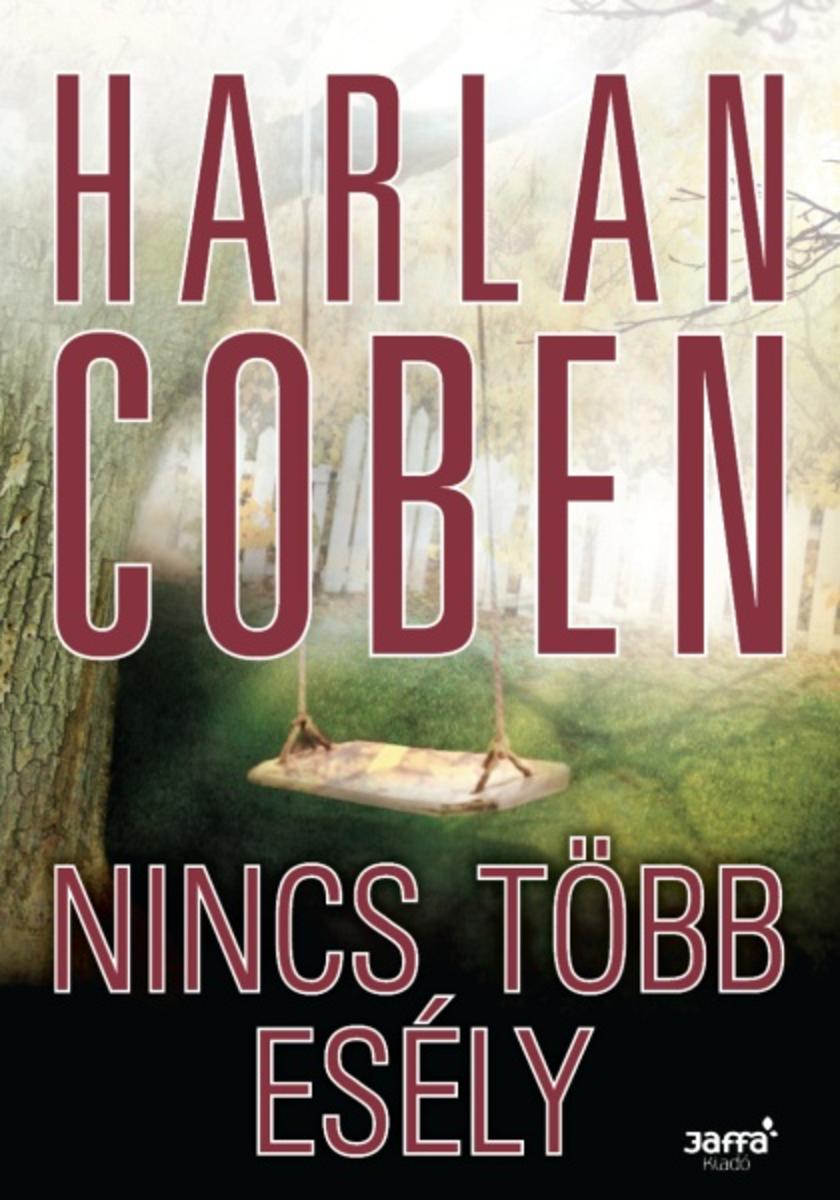
Nincs t?bb esély
¥57.31
2015 egyik legsikeresebb és leginkább méltatott debütálása volt ez a m? a fantasztikus thriller illetve horror m?fajában, A marsi amerikai kiadójától. A Fumax Thriller sorozat 3. k?tete. ? Egy elt?nt Isten. Egy k?nyvtár az univerzum titkaival. Egy n?, aki túl elfoglalt ahhoz, hogy észrevegye megk?vült szívét. ? Carolyn alig kül?nb?zik a k?rül?tte él? emberekt?l. Szereti a guacamolét, szeret rágyújtani és steaket enni. Tudja, hogyan kell használni a telefont. A ruhák néha ugyan kifognak rajta, de a karácsonyi pulóverb?l, biciklisnadrágból és lábmelegít?b?l álló szerelése komoly sikert arat. Elvégre régen ? maga is átlagos amerikaiként élt. Ez persze már nagyon régen volt. Még azel?tt, hogy a szülei meghaltak. Azel?tt, hogy más gyerekekkel együtt befogadta ?t egy férfi, akit csak Apának hívtak. Carolyn azóta nem sokat járt odakint. Adoptált testvéreivel együtt Apa ?si szokásainak megfelel?en nevelkedtek: K?nyvtárának k?nyveit tanulmányozták, és megtanulták Apa hatalmának néhány titkát. Néha pedig azon t?n?dtek, kegyetlen tanáruk titokban nem maga Isten-e. ?m Apa váratlanul elt?nt, és a titkait tartalmazó K?nyvtár a teremtés feletti hatalom erejével együtt ?rizet nélkül maradt. A hatalmat maguknak akaró, kegyetlen ellenségek sorakoznak fel Carolyn ellen, akiknek ereje messze meghaladja az ?vét. De ? számolt ezzel. Az egyetlen gond csak az, hogy mik?zben egy új Isten megteremtéséért harcol, megfeledkezik azokról a dolgokról, amelyek emberré teszik ?t. ? Neil Gaiman és Joe Hill találkozása egy leny?g?z?en eredeti, rémiszt? és s?tét humorú dark fantasyben. Felejthetetlen karaktereivel, sokkoló t?rténetével az ?gett-hegyi K?nyvtár egyszerre elborzasztó és frenetikus, agyzsibbasztóan idegen és szívszorítóan emberi.?
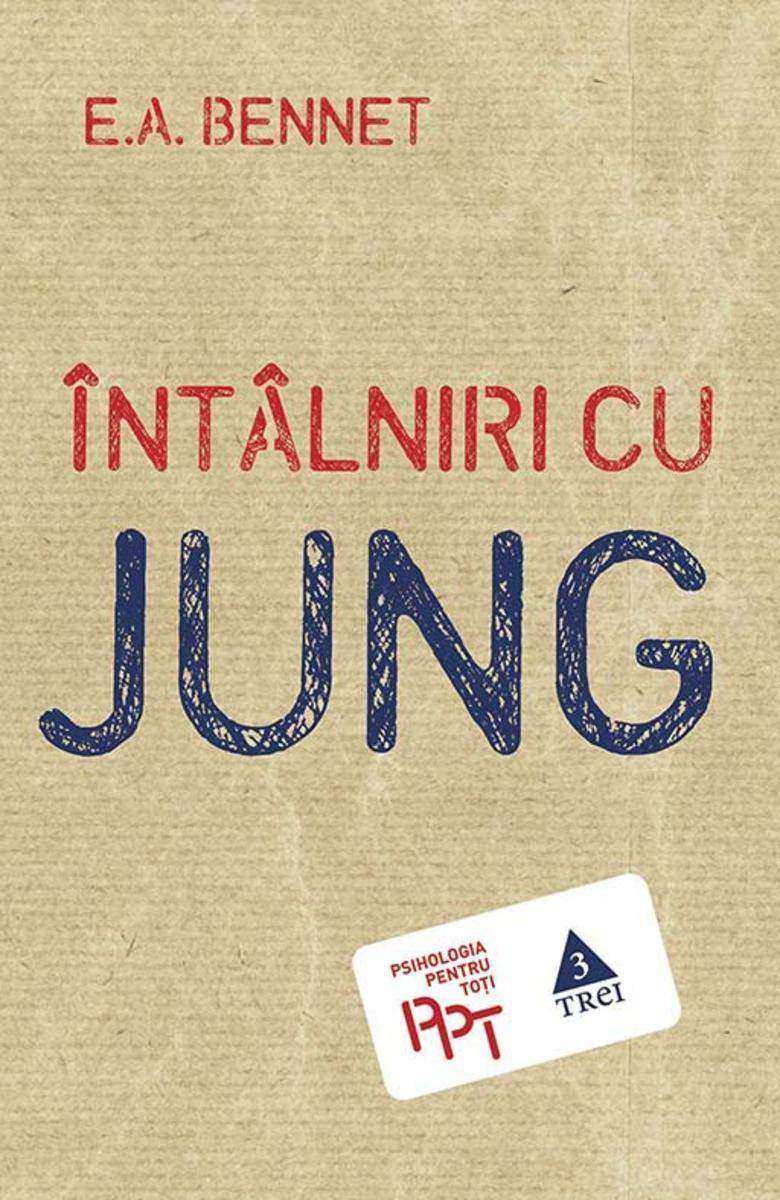
?nt?lniri cu Jung
¥48.97
1891-ben, az író pályájának utolsó szakaszában íródott a k?nyv, s egy évvel kés?bb jelent meg a Pesti Hírlapban. A cselekmény a Bach-korszakban játszódik. Lenke L?rinc tábornok fiát, Simont a kolerajárvány idején egy vele egykorú cigány csecsem?vel cserélik el. A tábornok igazi fiából világhír? cigányprímás lesz, míg az elcseréltetésükr?l mit sem tudó ál-Simon báró mihaszna, t?rtet?, gyáva tisztvisel?ként vonja magára városa gy?l?letét. Bátyját koholt vádakkal lecsukatja, anyját lenézi, semmibe veszi, mindebben méltó társa Aranka, a szintén t?rtet? feleség. A városba érkez? igazi Lenke hangversenyt rendez, ám Simon, aki nem képes elviselni mások sikerét, be akarja tiltani a koncertet. Miután bátyja ebben megakadályozza, majd párbajra hívja ki, Simon ?rültet színlel. A tipikusan jókais, romantikus eseménysz?vés ellenére mondanivalójában e m? nem éri utol a hasonló fogantatású regényeket, ám – az életm? részeként érdemes beszerezni.

The Moonstone: "A Romance"
¥28.04
Mashi!’‘Try to sleep, Jotin, it is getting late.’‘Never mind if it is. I have not many days left. I was thinking that Mani should go to her father's house.—I forget where he is now.’‘Sitarampur.’‘Oh yes! Sitarampur. Send her there. She should not remain any longer near a sick man. She herself is not strong.’‘Just listen to him! How can she bear to leave you in this state?’‘Does she know what the doctors——?’‘But she can see for herself! The other day she cried her eyes out at the merest hint of having to go to her father's house.’We must explain that in this statement there was a slight distortion of truth, to say the least of it. The actual talk with Mani was as follows:— ‘I suppose, my child, you have got some news from your father? I thought I saw your cousin Anath here.’‘Yes! Next Friday will be my little sister's annaprashan ceremony. So I'm thinking——’‘All right, my dear. Send her a gold necklace. It will please your mother.’‘I'm thinking of going myself. I've never seen my little sister, and I want to ever so much.’‘Whatever do you mean? You surely don't think of leaving Jotin alone? Haven't you heard what the doctor says about him?’‘But he said that just now there's no special cause for——’‘Even if he did, you can see his state.’‘This is the first girl after three brothers, and she's a great favourite.—I have heard that it's going to be a grand affair. If I don't go, mother will be very——’‘Yes, yes! I don't understand your mother. But I know very well that your father will be angry enough if you leave Jotin just now.’‘You'll have to write a line to him saying that there is no special cause for anxiety, and that even if I go, there will be no——’‘You're right there; it will certainly be no great loss if you do go. But remember, if I write to your father, I'll tell him plainly what is in my mind.’‘Then you needn't write. I shall ask my husband, and he will surely——’‘Look here, child, I've borne a good deal from you, but if you do that, I won't stand it for a moment. Your father knows you too well for you to deceive him.’ Hearing that Mani had wept at the mere thought of going to her father's house, Jotin was so excited that he sat up in bed. Pulling his pillow towards him, he leaned back, and said: ‘Mashi, open this window a little, and take that lamp away.’The still night stood silently at the window like a pilgrim of eternity; and the stars gazed in, witnesses through untold ages of countless death-scenes.Jotin saw his Mani's face traced on the background of the dark night, and saw those two big dark eyes brimming over with tears, as it were for all eternity.


